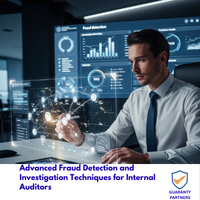
Advanced Fraud Detection and Investigation Techniques for Internal Auditors

Course Overview

• Understand the nature and types of fraud prevalent in organizations.
• Learn advanced fraud detection techniques and methodologies.
• Develop skills in conducting forensic investigations and gathering evidence.
• Master the use of data analytics tools for fraud detection and prevention.
• Acquire knowledge of legal and regulatory requirements related to fraud investigation.
• Enhance communication and reporting skills for presenting findings to stakeholders.

Training Format:In-class, Virtual, In-house

Location:Lagos, Accra, Nairobi, Kigali

Language:English, French

Nigeria Price:
₦300000

Int'l., (Nigeria) Price:
$1000

Ghana Price:
$4000

Kenya Price:
$5500

Rwanda Price:
$6000

Nigeria Price:₦300000

Int'l., (Nigeria) Price:
$1000

Ghana Price:
$4000

Kenya Price:
$4000

Rwanda Price:
$4000

Nigeria Price: ₦300000

Int'l., (Nigeria) Price:
$1000

Ghana Price: $4000

Kenya Price: $4000

Rwanda Price: $4000

Introduction to Fraud Detection and Investigation
• Overview of fraud in organizations: types, causes, and consequences
• Role of internal auditors in fraud detection and prevention
• Ethical considerations and professional standards for fraud investigations

Advanced Fraud Detection Techniques
• Red flags and indicators of fraudulent activities
• Advanced data analysis techniques for detecting anomalies and patterns
• Using technology and software tools for proactive fraud detection

Forensic Accounting and Investigative Procedures
• Principles of forensic accounting and fraud examination
• Conducting interviews and interrogations with suspects and witnesses
• Documenting evidence and maintaining chain of custody

Data Analytics for Fraud Detection
• Introduction to data analytics and its application in fraud detection
• Data mining techniques for identifying irregularities and trends
• Case studies and practical exercises using data analytics tools

Legal and Regulatory Aspects of Fraud Investigation
• Understanding legal frameworks and regulations related to fraud investigation
• Role of internal auditors in compliance with laws and regulations
• Reporting requirements and obligations for fraud-related findings

Communication and Reporting Skills
• Effective communication strategies for presenting findings to stakeholders
• Writing clear and concise investigative reports
• Providing recommendations for fraud prevention and control measures

FOR WHOM:
All Internal Auditors and Risk Managers in the Public and Private Sectors.
1ST BATCH: Tuesday, March 10, 2026 — Friday, March 13, 2026.

2ND BATCH: Tuesday, June 30, 2026 — Friday, July 3, 2026.

3RD BATCH: Tuesday, October 27, 2026 — Friday, October 30, 2026.

The training methodology integrates lectures, interactive discussions, collaborative group exercises, and
illustrative examples. Participants will acquire a blend of theoretical insights and hands-on practical
experience, emphasizing the application of learned techniques. This approach ensures that attendees return
to their professional environments equipped with both the competence and self-assurance to effectively
implement the acquired skills in their responsibilities.

Facebook
WhatsApp
X
Threads
Telegram
Print