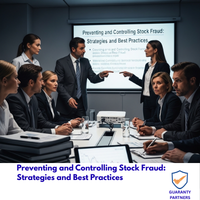
• Understand the various forms and methods of stock fraud.
• Learn to recognize the warning signs and red flags of stock fraud.
• Explore strategies and techniques to prevent stock fraud in organizations.
• Develop skills to detect and investigate stock fraud incidents effectively.
• Gain insights into regulatory requirements and compliance measures related to stock fraud prevention.
• Learn best practices for creating a fraud-resistant organizational culture.
• Understand the role of internal controls and risk management in mitigating stock fraud risks.
• Acquire knowledge of tools and technologies for monitoring and detecting fraudulent activities.
Introduction to Stock Fraud
• Understanding stock fraud and its impact
• Common types and schemes of stock fraud
• Legal and ethical implications of stock fraud
Recognizing Stock Fraud Red Flags
• Identifying warning signs of stock fraud
• Behavioral indicators of potential fraudsters
• Analyzing financial statements for irregularities
Prevention Strategies and Techniques
• Implementing strong internal controls and segregation of duties
• Conducting background checks and due diligence on employees and vendors
• Establishing whistleblower programs and anonymous reporting mechanisms
Fraud Detection and Investigation
• Conducting effective fraud risk assessments
• Implementing proactive monitoring and surveillance systems
• Techniques for investigating and resolving stock fraud incidents
Regulatory Compliance and Legal Considerations
• Understanding regulatory requirements related to stock fraud prevention
• Compliance with securities laws and regulations
• Legal consequences and penalties for stock fraud violations
Creating a Fraud-Resistant Organizational Culture
• Fostering ethics and integrity in the workplace
• Promoting transparency and accountability
• Providing ethics training and awareness programs
Internal Controls and Risk Management
• Designing and implementing robust internal control systems
• Role of risk management in identifying and mitigating stock fraud risks
• Conducting regular audits and reviews of control processes
Technology Solutions for Fraud Prevention
• Utilizing data analytics and artificial intelligence for fraud detection
• Implementing fraud detection software and tools
• Leveraging blockchain technology for secure transactions
FOR WHOM: Stores, Purchasing and Logistics Personnel in the Public and Private Sectors.
The training methodology integrates lectures, interactive discussions, collaborative group exercises, and illustrative examples. Participants will acquire a blend of theoretical insights and hands-on practical experience, emphasizing the application of learned techniques. This approach ensures that attendees return to their professional environments equipped with both the competence and self-assurance to effectively implement the acquired skills in their responsibilities.