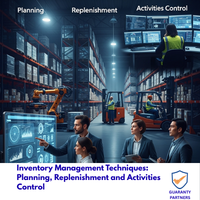
These inventory management techniques will improve your inventory turnover ratio and transform frozen assets into cash. This workshop will teach participants on how to explore the latest inventory management methods for saving money, satisfying customers and speeding up the flow of inventory
*The Strategic role of Inventory Management
– Inventory Management
– Inventory Cycle/Supply Chain
– Inventory Management Strategy
– Measurements for Inventory and other associated costs
*Front-End Optimizing of Inventory levels
– Optimum Inventory levels
– Forecast Demand for Inventory
– Calculate Demands from forecasting models
– Calculate safety stock
*Just-in-Time and Inventory Process Improvement
– JIT System
– Benefit of a JIT System approach
– Reducing Inventory carrying costs
*Systems for Inventory Planning and Replenishment
– Various types of replenishment techniques
– Average Inventory level
– Lead time on Inventory level
– Surplus/Obsolescent Inventory
– Material Requirement Planning (MRP) method
*Inventory Accuracy and Audits
– Inventory Control and Accuracy
– Physical Inventory vs. Cycle counting
– Work-in-process Inventory Audit
– Using A.B.C. Analysis
FOR WHOM:
Stores Purchasing and Logistics Personnel in the Public and Private Sectors
The training methodology integrates lectures, interactive discussions, collaborative group exercises, and illustrative examples. Participants will acquire a blend of theoretical insights and hands-on practical experience, emphasizing the application of learned techniques. This approach ensures that attendees return to their professional environments equipped with both the competence and self-assurance to effectively implement the acquired skills in their responsibilities.