Introduction to Agricultural Supply Chain Management
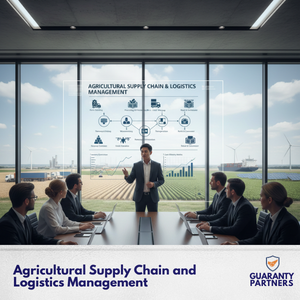
• Overview of agricultural supply chains and logistics.
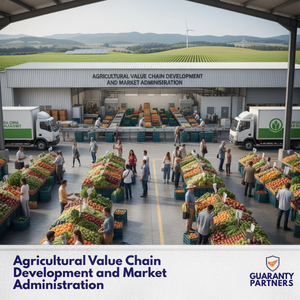
• Key stakeholders in agricultural supply chains: farmers, suppliers, processors, distributors, and retailers.
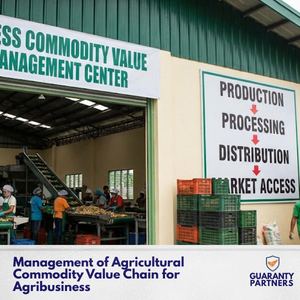
• The flow of goods and services in the agricultural supply chain.
• Importance of effective logistics management in agriculture.
• Challenges faced in agricultural supply chain management (e.g., perishability, seasonality, transportation).
Logistics in Agricultural Supply Chains
• Definition and role of logistics in agriculture.
• Transportation systems for agricultural products.
• Storage and warehousing of perishable goods.
• Distribution channels and their impact on supply chain efficiency.
• Cold chain logistics for fresh produce.
• Packaging and labeling requirements for agricultural products.
Supply Chain Optimization in Agriculture
• Strategies for reducing waste and improving efficiency.
• Inventory management techniques for agricultural products.
• Demand forecasting and its impact on supply chain decisions.
• Role of procurement and supplier relationship management.
• Cost management in agricultural supply chains.
Technology in Agricultural Supply Chain Management
• Use of technology in enhancing supply chain visibility.
• Role of data analytics in decision-making and forecasting.
• E-commerce and digital platforms for agricultural product distribution.
• The impact of blockchain technology in ensuring traceability and transparency.
• Emerging technologies: drones, IoT, and AI in agricultural logistics.