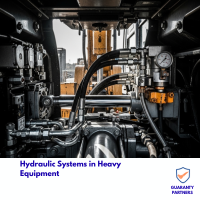
To equip participants with essential knowledge and practical skills for understanding, operating, and maintaining hydraulic systems in heavy equipment. The course covers hydraulic principles, system components, troubleshooting, and preventive maintenance to ensure safe, efficient, and reliable operation of machinery in construction, mining, and industrial environments.
Definition and importance of hydraulics in heavy equipment operations ● Common applications: excavators, loaders, bulldozers, cranes ● Roles and responsibilities of operators and maintenance personnel ● Overview of hydraulic system functions: lifting, pushing, steering, and braking
Hydraulic System Components
Pumps, motors, valves, and cylinders ● Hydraulic fluid types and properties ● Reservoirs, hoses, and fittings ● Filters, accumulators, and safety devices
Principles of Hydraulic Operation
Pascal’s law and its application in heavy equipment ● Flow, pressure, and force relationships in hydraulic circuits ● Understanding directional control, pressure control, and flow control ● Load handling and system efficiency
Operational Procedures
Pre-operation checks for hydraulic systems ● Proper machine startup and shutdown to protect hydraulics ● Monitoring gauges and indicators for safe operation ● Operating equipment within hydraulic capacity limits
Maintenance and Troubleshooting
Routine inspection of hoses, fittings, and cylinders ● Checking hydraulic fluid levels and quality ● Identifying leaks, unusual noises, and system inefficiencies ● Preventive maintenance to prevent system failure
Safety and Best Practices
Safe handling of hydraulic fluids and pressurized components ● Use of personal protective equipment (PPE) ● Emergency procedures in case of hydraulic system failure ● Adherence to manufacturer guidelines and industry safety standards
The training methodology integrates lectures, interactive discussions, collaborative group exercises, and illustrative examples. Participants will acquire a blend of theoretical insights and hands-on practical experience, emphasizing the application of learned techniques. This approach ensures that attendees return to their professional environments equipped with both the competence and self-assurance to effectively implement the acquired skills in their responsibilities.