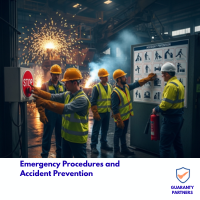
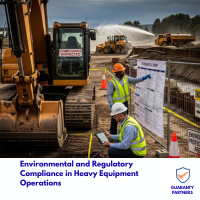
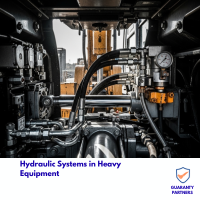
To equip participants with knowledge and practical skills to respond effectively to emergencies and prevent accidents in heavy equipment operations. The course covers hazard recognition, emergency response planning, accident prevention strategies, and safety protocols to ensure the protection of personnel, equipment, and worksite operations in construction, mining, and industrial environments.
Importance of emergency preparedness in heavy equipment operations ● Roles and responsibilities of operators, supervisors, and safety officers ● Common causes of accidents and emergency situations ● Overview of safety regulations and standards
Hazard Recognition and Risk Assessment
Identifying workplace hazards related to heavy machinery ● Assessing risk levels and potential consequences ● Preventive measures to minimize hazards ● Conducting regular safety inspections and site assessments
Accident Prevention Strategies
Safe operating practices for all types of heavy equipment ● Pre-operational checks and preventive maintenance ● Personal protective equipment (PPE) usage and compliance ● Promoting a safety-first culture among operators and staff
Emergency Response Procedures
Steps to take in case of equipment malfunction or failure ● Responding to fire, spills, or environmental hazards ● Evacuation plans and emergency communication protocols ● Coordinating with emergency services and first responders
Incident Reporting and Investigation
Documenting accidents and near-misses ● Conducting root cause analysis to prevent recurrence ● Implementing corrective actions and updating safety protocols ● Learning from incidents to continuously improve safety measures
Safety Best Practices and Compliance
Ensuring adherence to manufacturer guidelines and regulatory standards ● Ongoing training and drills for operators and personnel ● Monitoring and evaluating safety performance ● Integrating emergency preparedness into overall operational planning
The training methodology integrates lectures, interactive discussions, collaborative group exercises, and illustrative examples. Participants will acquire a blend of theoretical insights and hands-on practical experience, emphasizing the application of learned techniques. This approach ensures that attendees return to their professional environments equipped with both the competence and self-assurance to effectively implement the acquired skills in their responsibilities.