
Advanced Dairy Nutrition and Management
Course Overview
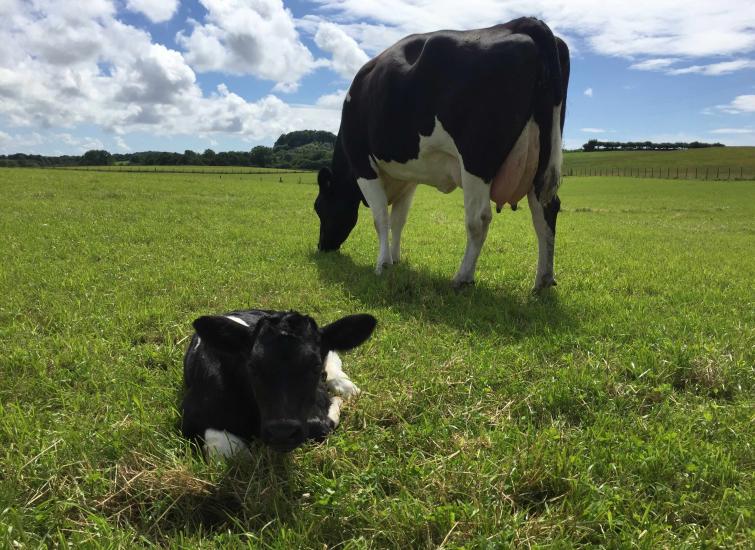
Understand advanced principles of dairy nutrition and herd management for optimal productivity.
Learn how to formulate balanced diets, manage feed resources, and monitor animal health.
Explore strategies for improving milk yield, reproductive performance, and overall herd efficiency.
Gain practical knowledge in modern dairy management practices, technology use, and sustainable farm operations.
Training Format:In-class, Virtual, In-house
Location:Lagos, Accra, Nairobi, Kigali
Language:English, French
Nigeria Price:
₦350000
Int'l., (Nigeria) Price:
$10000
Ghana Price:
$40000
Kenya Price:
$5500
Rwanda Price:
$6000
Nigeria Price:₦350000
Int'l., (Nigeria) Price:
$10000
Ghana Price:
$40000
Kenya Price:
$40000
Rwanda Price:
$40000
Nigeria Price: ₦350000
Int'l., (Nigeria) Price:
$10000
Ghana Price: $40000
Kenya Price: $40000
Rwanda Price: $40000
Introduction to Dairy Nutrition and Management
Overview of Dairy Production Systems: Small-scale, commercial, and integrated farms.
Importance of Nutrition: Role in milk yield, reproductive performance, and animal health.
Key Stakeholders: Dairy farmers, nutritionists, veterinarians, and feed suppliers.
Feed Types and Nutritional Requirements
Forages and Roughages: Nutritional composition and best feeding practices.
Concentrates and Supplements: Role in energy, protein, mineral, and vitamin balance.
Water and Mineral Nutrition: Importance of water quality and trace minerals in herd health.
Ration Formulation and Feed Management
Principles of Balanced Diets: Calculating nutrient requirements for different classes of dairy animals.
Feed Formulation Techniques: Use of feed tables, software, and cost optimization.
Feed Storage and Handling: Ensuring quality, minimizing spoilage, and preventing contamination.
Herd Health and Performance Monitoring
Nutritional Disorders: Prevention and management of deficiencies and metabolic diseases.
Monitoring Milk Production: Techniques for evaluating lactation performance.
Reproductive Performance: Nutrition’s role in fertility, calving, and herd growth.
Advanced Dairy Management Practices
Housing and Environmental Management: Designing comfortable and safe dairy facilities.
Milking Management: Milking routines, hygiene, and udder health.
Record Keeping and Data Management: Tracking feed intake, production, and health metrics.
Sustainable and Cost-Effective Practices
Resource Optimization: Efficient use of feed, water, and labor.
Waste Management: Manure handling, biogas production, and environmental sustainability.
Innovations in Dairy Management: Automated feeding systems, sensors, and smart farm technologies.
1ST BATCH: Tuesday, February 10, 2026 — Friday, March 13, 2026.
2ND BATCH: Tuesday, June 2, 2026 — Friday, June 5, 2026.
3RD BATCH: Monday, September 28, 2026 — Wednesday, September 30, 2026.
The training methodology integrates lectures, interactive discussions, collaborative group exercises, and
illustrative examples. Participants will acquire a blend of theoretical insights and hands-on practical
experience, emphasizing the application of learned techniques. This approach ensures that attendees return
to their professional environments equipped with both the competence and self-assurance to effectively
implement the acquired skills in their responsibilities.