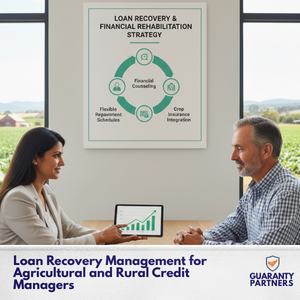
• Understand the principles of loan recovery in agricultural and rural credit management.
• Learn effective strategies for managing loan defaults and mitigating risks.
• Gain knowledge on legal frameworks and regulatory compliance for loan recovery.
• Develop skills for communicating with borrowers and managing collections.
Introduction to Loan Recovery in Agricultural and Rural Credit
• Overview of agricultural and rural credit systems
• Importance of loan recovery in maintaining financial stability
• Key challenges in loan recovery within rural sectors
• Roles and responsibilities of credit managers in loan recovery
Loan Default Prevention and Risk Mitigation
• Identifying early warning signs of loan default
• Credit assessment and risk profiling for agricultural loans
• Effective loan structuring to minimize default risks
• Proactive communication with borrowers to ensure timely repayments
Legal Framework and Regulatory Compliance
• Key regulations governing loan recovery in agriculture
• Legal steps in recovering defaulted loans
• Understanding collateral and guarantees in agricultural lending
• Role of government and financial institutions in loan recovery
Effective Collection Strategies and Communication Techniques
• Best practices for managing collections and overdue loans
• Negotiation and settlement strategies for distressed borrowers
• Building trust and maintaining positive borrower relationships
• Using technology and data analytics to improve loan recovery efforts
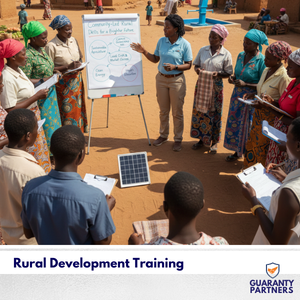
The training methodology integrates lectures, interactive discussions, collaborative group exercises, and illustrative examples. Participants will acquire a blend of theoretical insights and hands-on practical experience, emphasizing the application of learned techniques. This approach ensures that attendees return to their professional environments equipped with both the competence and self-assurance to effectively implement the acquired skills in their responsibilities.