Soil Management System
Course Overview
Understand the principles and practices of effective soil management for sustainable agriculture.
Learn how to assess soil health, fertility, and structure to optimize crop productivity.
Explore strategies for soil conservation, nutrient management, and land-use planning.
Gain practical knowledge in modern soil management systems, technology applications, and sustainable farming practices.
Training Format:In-class, Virtual, In-house
Location:Lagos, Accra, Nairobi, Kigali
Language:English, French
Nigeria Price:
₦350000
Int'l., (Nigeria) Price:
$10000
Ghana Price:
$40000
Kenya Price:
$5500
Rwanda Price:
$6000
Nigeria Price:₦350000
Int'l., (Nigeria) Price:
$10000
Ghana Price:
$40000
Kenya Price:
$40000
Rwanda Price:
$40000
Nigeria Price: ₦350000
Int'l., (Nigeria) Price:
$10000
Ghana Price: $40000
Kenya Price: $40000
Rwanda Price: $40000
Introduction to Soil Management
Overview of Soil Management: Importance, objectives, and impact on agricultural productivity.
Soil Types and Characteristics: Texture, structure, pH, and organic matter content.
Key Stakeholders: Farmers, agronomists, extension officers, and environmental agencies.
Soil Fertility and Nutrient Management
Essential Soil Nutrients: Macro- and micro-nutrients for crops.
Fertilizer Application: Types, rates, timing, and methods.
Soil Testing: Techniques to assess nutrient levels and soil health.
Soil Conservation and Erosion Control
Causes of Soil Degradation: Erosion, compaction, salinity, and nutrient depletion.
Conservation Techniques: Contour farming, terracing, cover cropping, and mulching.
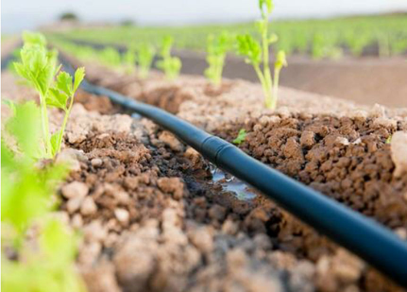
Water Management: Irrigation methods, drainage systems, and moisture retention.
Soil Health Monitoring and Improvement
Soil Organic Matter: Role in fertility, structure, and microbial activity.
Soil Amendments: Compost, green manure, biochar, and liming practices.
Soil Testing Interpretation: Making informed management decisions based on test results.
Land Use Planning and Sustainable Practices
Crop Rotation and Intercropping: Improving soil fertility and productivity.
Sustainable Land Management: Minimizing degradation and maintaining long-term productivity.
Integrated Soil Management Systems: Combining chemical, organic, and biological approaches.
1ST BATCH: Monday, March 30, 2026 — Thursday, April 2, 2026.
2ND BATCH: Tuesday, July 21, 2026 — Friday, July 24, 2026.
3RD BATCH: Tuesday, November 17, 2026 — Friday, November 20, 2026.
The training methodology integrates lectures, interactive discussions, collaborative group exercises, and
illustrative examples. Participants will acquire a blend of theoretical insights and hands-on practical
experience, emphasizing the application of learned techniques. This approach ensures that attendees return
to their professional environments equipped with both the competence and self-assurance to effectively
implement the acquired skills in their responsibilities.