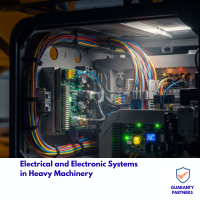
To provide participants with knowledge and practical skills for understanding, operating, and maintaining electrical and electronic systems in heavy machinery. The course covers power supply, control systems, diagnostics, and safety procedures to ensure reliable equipment performance, operational efficiency, and safety in construction, mining, and industrial environments.
Importance of electrical and electronic systems in heavy machinery ● Roles of operators and maintenance personnel in system management ● Common applications: engine control, lighting, instrumentation, and safety systems ● Overview of electrical vs. electronic systems
Electrical System Components
Batteries, alternators, and starters ● Wiring harnesses and connectors ● Fuses, circuit breakers, and relays ● Lighting and signaling systems
Electronic Control Systems
Sensors and actuators ● Engine control modules (ECM) and programmable logic controllers (PLC) ● Telematics and diagnostic systems ● Display panels, gauges, and operator interfaces
Operational Procedures
Pre-operational electrical system checks ● Monitoring indicators and warning lights ● Basic troubleshooting techniques ● Safe startup, operation, and shutdown practices
Maintenance and Fault Diagnosis
Inspecting cables, connectors, and insulation for wear or damage ● Checking battery condition and charging systems ● Using diagnostic tools to identify faults in sensors and controllers ● Preventive maintenance to avoid system failure
Safety Practices and Compliance
Safe handling of electrical components and high-voltage systems ● Use of personal protective equipment (PPE) ● Lockout/tagout procedures for maintenance ● Adherence to manufacturer guidelines and regulatory standards
The training methodology integrates lectures, interactive discussions, collaborative group exercises, and illustrative examples. Participants will acquire a blend of theoretical insights and hands-on practical experience, emphasizing the application of learned techniques. This approach ensures that attendees return to their professional environments equipped with both the competence and self-assurance to effectively implement the acquired skills in their responsibilities.