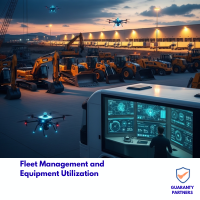
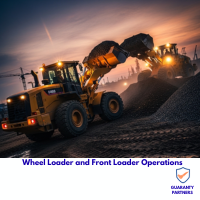
To provide participants with knowledge and practical skills for effective fleet management and optimal utilization of heavy equipment. The course emphasizes planning, monitoring, maintenance, and operational strategies to maximize productivity, reduce costs, and ensure the safe and efficient deployment of machinery in construction, mining, and industrial operations.
Importance of fleet management in heavy equipment operations ● Roles and responsibilities of fleet managers and operators ● Key performance indicators (KPIs) for fleet efficiency ● Overview of equipment types and applications within a fleet
Equipment Scheduling and Utilization
Planning equipment deployment based on project requirements ● Tracking machine usage and operating hours ● Maximizing equipment uptime and reducing idle time ● Allocation of machinery for different tasks and terrains
Maintenance and Lifecycle Management
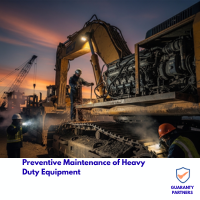
Scheduling preventive maintenance and routine inspections ● Monitoring equipment health and performance ● Managing repair records and maintenance logs ● Extending equipment lifespan through proper utilization
Monitoring and Reporting
Use of telematics and tracking systems for real-time monitoring ● Reporting on fuel consumption, usage patterns, and productivity ● Identifying underutilized or overworked equipment ● Performance analysis to optimize fleet operations
Cost Management and Efficiency
Calculating operating costs, maintenance expenses, and ROI ● Strategies to reduce downtime and operating expenses ● Planning for equipment replacement and upgrades ● Implementing best practices for sustainable fleet operations
Safety and Compliance
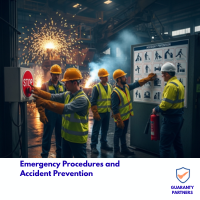
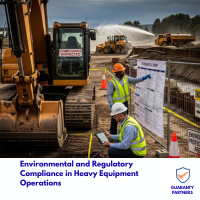
Ensuring all fleet operations meet regulatory and safety standards ● Training operators on proper usage and safety protocols ● Emergency response planning for fleet incidents ● Promoting a culture of safety and accountability across the fleet
The training methodology integrates lectures, interactive discussions, collaborative group exercises, and illustrative examples. Participants will acquire a blend of theoretical insights and hands-on practical experience, emphasizing the application of learned techniques. This approach ensures that attendees return to their professional environments equipped with both the competence and self-assurance to effectively implement the acquired skills in their responsibilities.