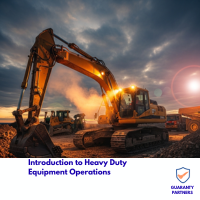
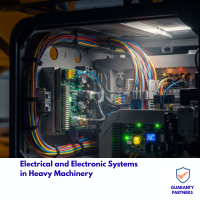
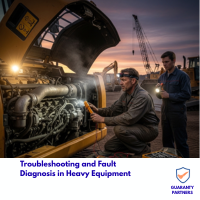
To provide participants with a foundational understanding of heavy duty equipment operations used in construction, mining, logistics, and industrial environments. The course introduces learners to the types of heavy equipment, their functions, basic operating principles, and the roles and responsibilities of equipment operators. It also highlights the importance of safety, equipment inspection, and adherence to operational standards required for efficient and responsible machinery operation.
Definition and importance of heavy duty equipment in modern industries ● Key sectors utilizing heavy machinery (construction, mining, oil and gas, logistics) ● Basic categories of heavy duty equipment ● Functions and applications of heavy equipment in worksite operations
Types and Classification of Heavy Equipment
Earthmoving equipment (excavators, bulldozers, graders) ● Material handling equipment (cranes, forklifts, loaders) ● Haulage equipment (dump trucks, articulated trucks) ● Specialized heavy machinery used in industrial operations
Basic Components and Systems of Heavy Equipment
Structural components and machine framework ● Engine and power systems overview ● Hydraulic systems and their functions ● Control systems and operator cabin layout
Roles and Responsibilities of Equipment Operators
Duties of heavy equipment operators on work sites ● Coordination with supervisors and ground personnel ● Compliance with operational procedures and safety regulations ● Importance of professional conduct and accountability in equipment operations
Introduction to Equipment Safety and Operational Standards
Basic safety principles in heavy equipment operations ● Importance of pre-operational inspection and equipment checks ● Worksite hazard awareness and risk prevention ● Understanding operational guidelines and regulatory requirements
The training methodology integrates lectures, interactive discussions, collaborative group exercises, and illustrative examples. Participants will acquire a blend of theoretical insights and hands-on practical experience, emphasizing the application of learned techniques. This approach ensures that attendees return to their professional environments equipped with both the competence and self-assurance to effectively implement the acquired skills in their responsibilities.