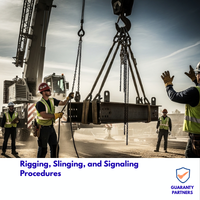
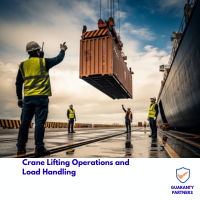
To equip participants with essential knowledge and skills in rigging, slinging, and signaling for safe and efficient lifting operations. The course emphasizes proper selection and use of rigging equipment, correct slinging techniques, and effective communication between crane operators and ground personnel to ensure safe handling of loads in construction, industrial, and logistics operations.
Definition and importance of rigging and slinging in lifting operations ● Roles and responsibilities of riggers and signalers ● Common hazards associated with rigging and slinging
Rigging Equipment and Materials
Types of slings: wire rope, chain, synthetic, and round slings ● Shackles, hooks, and lifting attachments ● Load rating, inspection, and maintenance of rigging gear ● Proper selection of rigging equipment based on load type and weight
Slinging Techniques
Attaching slings safely to different types of loads ● Understanding load center of gravity and balance ● Proper use of chokers, hitches, and multi-leg slings ● Lifting, lowering, and moving loads securely
Signaling Procedures
Standard hand signals and radio communication protocols ● Coordination between crane operators, riggers, and ground personnel ● Ensuring clear and unambiguous communication during lifts ● Safety measures when signaling in noisy or complex work environments
Safety Practices and Risk Prevention
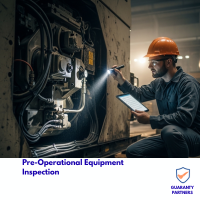
● Pre-lift inspection of rigging gear and crane components ● Identifying and mitigating potential hazards ● Emergency procedures during lifting operations ● Regulatory compliance and adherence to industry best practices
The training methodology integrates lectures, interactive discussions, collaborative group exercises, and illustrative examples. Participants will acquire a blend of theoretical insights and hands-on practical experience, emphasizing the application of learned techniques. This approach ensures that attendees return to their professional environments equipped with both the competence and self-assurance to effectively implement the acquired skills in their responsibilities.