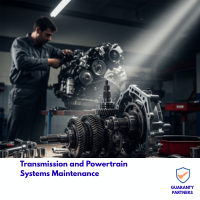
To equip participants with the knowledge and practical skills required for maintaining transmission and powertrain systems in heavy duty equipment. The course focuses on the operation, inspection, troubleshooting, and preventive maintenance of gearboxes, drive shafts, differentials, and related components to ensure optimal performance, reliability, and safety of machinery in construction, mining, and industrial operations.
Introduction to Transmission and Powertrain Systems
Importance of transmission and powertrain in heavy equipment operation ● Overview of types of transmissions: manual, automatic, hydrostatic ● Components of powertrain systems: driveshafts, differentials, axles, and couplings ● Roles and responsibilities of operators and maintenance personnel
Components and Functions
Gearboxes and gear sets ● Clutches, torque converters, and final drives ● Differentials and drive axles ● Bearings, seals, and lubrication points
Operational Principles
Power transfer from engine to wheels or tracks ● Torque management and load distribution ● Understanding gear ratios and speed control ● Impact of terrain and load on powertrain performance
Preventive Maintenance Practices
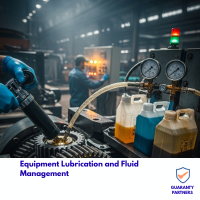
Routine inspection of gearboxes, axles, and driveshafts ● Checking and changing transmission fluids and lubricants ● Inspecting seals, bearings, and couplings for wear or damage ● Maintaining proper alignment and tension of drive components
Troubleshooting and Fault Diagnosis
Identifying abnormal noises, vibrations, or performance issues ● Diagnosing fluid leaks, overheating, or gear slippage ● Coordinating repairs with technical maintenance teams ● Preventing major failures through early detection and corrective action
Safety and Best Practices
Safe procedures for servicing transmission and powertrain components ● Use of personal protective equipment (PPE) ● Lockout/tagout procedures during maintenance ● Adherence to manufacturer guidelines and industry safety standards
The training methodology integrates lectures, interactive discussions, collaborative group exercises, and illustrative examples. Participants will acquire a blend of theoretical insights and hands-on practical experience, emphasizing the application of learned techniques. This approach ensures that attendees return to their professional environments equipped with both the competence and self-assurance to effectively implement the acquired skills in their responsibilities.