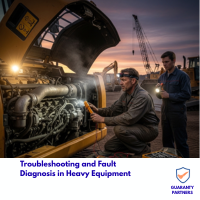
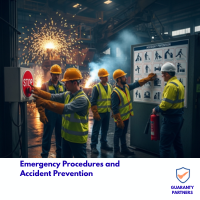
To equip participants with the knowledge and practical skills necessary to identify, diagnose, and resolve faults in heavy equipment. The course focuses on systematic troubleshooting techniques, understanding common mechanical, hydraulic, and electrical issues, and implementing corrective measures to ensure safe, efficient, and reliable equipment operation.
Importance of troubleshooting for equipment reliability and safety ● Roles and responsibilities of operators and maintenance personnel ● Overview of common causes of equipment failure ● Basic fault diagnosis principles
Mechanical System Troubleshooting
Identifying wear and tear in moving parts (tracks, bearings, blades, attachments) ● Diagnosing issues in powertrain and transmission systems ● Detecting abnormal vibrations, noises, and performance loss ● Corrective measures and preventive maintenance strategies
Hydraulic System Troubleshooting
Identifying leaks and pressure losses in hydraulic circuits ● Diagnosing cylinder, pump, and hose malfunctions ● Interpreting gauge readings and fluid performance indicators ● Corrective actions and maintenance procedures
Electrical and Electronic System Troubleshooting
Diagnosing battery, wiring, and starter problems ● Using diagnostic tools to detect sensor and controller faults ● Identifying faults in warning lights, gauges, and telematics systems ● Implementing corrective measures safely
Systematic Fault Diagnosis Process
Step-by-step approach to identifying and isolating problems ● Using equipment manuals and diagnostic guides ● Documenting faults and repair actions ● Coordinating with maintenance teams for major repairs
Safety and Best Practices
Lockout/tagout procedures during fault diagnosis ● Use of personal protective equipment (PPE) ● Ensuring safe worksite practices while troubleshooting ● Adherence to manufacturer guidelines and industry standards
The training methodology integrates lectures, interactive discussions, collaborative group exercises, and illustrative examples. Participants will acquire a blend of theoretical insights and hands-on practical experience, emphasizing the application of learned techniques. This approach ensures that attendees return to their professional environments equipped with both the competence and self-assurance to effectively implement the acquired skills in their responsibilities.