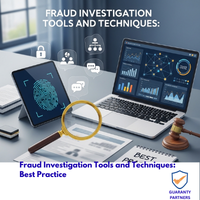
This course, most appropriate for professionals involved in investigating potential frauds within an organization, is about the different types of fraud, investigative guiding principles and process, and interviewing skills, document analysis, surveillance and other techniques.
Types of Fraud
· Financial Statement Fraud
· Misappropriation of Assets
· Corruption
· Bribery, Graft, Corruption
· Conspiracy
· Fraud and false statements
· Embezzlement and theft
· False claims and contracts
Investigative Guiding principles and Process
· Predication
· Confidentiality
· Legal constraints
· Evidence
· Investigative process
Investigative tools and Techniques
· Interviewing
· Identify “normal behavior”
· Look for “deceptive behavior” and “stress signals”
· Document analysis
· Public records
· Surveillance and other techniques
FOR WHOM: All Internal Auditors in the Public and Private Sectors.
The training methodology integrates lectures, interactive discussions, collaborative group exercises, and illustrative examples. Participants will acquire a blend of theoretical insights and hands-on practical experience, emphasizing the application of learned techniques. This approach ensures that attendees return to their professional environments equipped with both the competence and self-assurance to effectively implement the acquired skills in their responsibilities.