Introduction to Power Generation
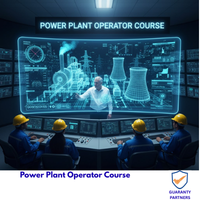
• Overview of power generation methods: thermal, hydro, solar, and gas
• Key components and systems in power plants
• Principles of electricity generation, transmission, and distribution
• Roles and responsibilities of a power plant operator
Power Plant Equipment and Operations
• Turbines, generators, boilers, and auxiliary systems
• Pumps, valves, and control systems
• Instrumentation, monitoring, and control panels
• Routine operational procedures and plant start-up/shutdown processes
Safety Procedures and Protocols
• Occupational health and safety in power plants
• Personal protective equipment (PPE) and safety compliance
• Emergency response procedures and fire safety
• Hazard identification and risk mitigation
Monitoring and Performance Optimization
• Reading and interpreting operational data and performance indicators
• Troubleshooting mechanical and electrical issues
• Maintenance scheduling and predictive maintenance techniques
• Enhancing efficiency and reducing operational losses
Environmental Compliance and Sustainability
• Environmental regulations and emissions control
• Waste management and pollution prevention
• Energy efficiency and sustainable power generation practices
• Reporting and documentation for compliance purposes
Emergency Handling and Contingency Planning
• Managing equipment failures and operational disruptions
• Crisis management and communication protocols
• Contingency procedures for power outages or system faults
• Post-incident evaluation and corrective actions
Professional Skills and Continuous Improvement
• Teamwork, communication, and reporting skills
• Record-keeping and operational documentation
• Keeping up-to-date with technological advancements
• Continuous learning and professional development