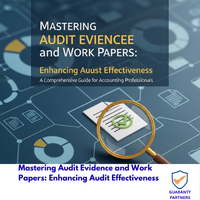
Introduction to Audit Evidence and Work Papers
• Importance of audit evidence and work papers in the audit process
• Overview of auditing standards and guidelines related to evidence documentation
• Understanding the role of audit evidence in forming audit opinions
Gathering Audit Evidence
• Techniques for obtaining relevant and reliable audit evidence
• Sources of audit evidence, including documents, records, and third-party confirmations
• Planning audit procedures to ensure comprehensive evidence collection
Evaluating Audit Evidence
• Criteria for assessing the sufficiency, relevance, and reliability of audit evidence
• Techniques for evaluating qualitative and quantitative evidence
• Identifying and addressing potential risks and limitations of audit evidence
Documentation and Work Papers Design
• Principles of effective work paper design, organization, and maintenance
• Types of work papers and their role in documenting audit procedures and findings
• Best practices for maintaining confidentiality, integrity, and accessibility of work papers
Documenting Audit Procedures
• Techniques for documenting audit procedures, observations, and conclusions
• Writing clear, concise, and objective work paper narratives and annotations
• Incorporating supporting documentation and references to strengthen work paper integrity
Review and Quality Assurance
• Importance of review and quality assurance procedures in ensuring work paper accuracy and completeness
• Techniques for peer review, supervisor review, and self-review of work papers
• Addressing feedback and implementing improvements to enhance work paper quality
FOR WHOM:
All Internal Auditors and Risk Managers in the Public and Private Sectors.