Introduction to Internal Control Systems
• Definition and objectives of internal controls
• Importance of internal controls in organizational governance and risk management
• Overview of the COSO framework and its components
Understanding Fraud Risks
• Types and characteristics of fraud schemes prevalent in organizations
• Identifying red flags and indicators of fraudulent activities
• Case studies and real-life examples of fraud incidents
Fraud Detection Techniques
• Methods for detecting and investigating fraud within the organization
• Utilizing data analytics and forensic tools for fraud detection
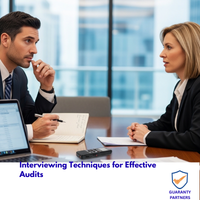
• Conducting interviews and interrogations in fraud investigations
Fraud Prevention and Deterrence
• Implementing fraud prevention measures and internal controls
• Strengthening segregation of duties and access controls
• Creating a culture of integrity and ethical conduct to deter fraudulent behavior
Internal Control Best Practices
• Designing and implementing effective internal control procedures
• Conducting risk assessments and internal control evaluations
• Monitoring and evaluating the effectiveness of internal controls through audits and assessments
Compliance and Regulatory Considerations
• Understanding legal and regulatory requirements related to internal controls and fraud prevention
• Compliance with industry standards, such as Sarbanes-Oxley Act (SOX) and Anti-Money Laundering (AML) regulations
• Reporting obligations and responsibilities for addressing suspected fraud incidents
: Case Studies and Practical Applications
• Analyzing real-world case studies and scenarios related to internal control failures and fraud incidents
• Group discussions and exercises to apply learned concepts and develop action plans for improving internal controls
Building a Fraud-Aware Culture
• Promoting awareness and accountability among employees through training and communication
• Encouraging whistleblowing and reporting mechanisms for addressing suspected fraud
• Establishing a framework for continuous improvement and adaptation to evolving fraud risks
FOR WHOM:
Internal Auditors desirous to adopting modern internal Audit techniques in their workplace