• Understand the Importance of Intelligence and Security in Aviation
• Develop Knowledge of Aviation Security Threats and Risks
• Learn How to Identify and Mitigate Security Threats
• Understand the Role of Intelligence in Aviation Security Decision-Making
• Develop Skills to Analyze and Interpret Security Intelligence
• Introduction to Aviation Security
• Overview of aviation security threats and risks
• Importance of intelligence and security in aviation
• Aviation Security Threats and Risks
• Types of security threats and risks in aviation
• Factors contributing to security threats and risks
• Identifying and Mitigating Security Threats
• Techniques for identifying security threats
• Strategies for mitigating security threats
• Role of Intelligence in Aviation Security Decision-Making
• Importance of intelligence in aviation security decision-making
• How intelligence informs security decisions
• Analyzing and Interpreting Security Intelligence
• Techniques for analyzing and interpreting security intelligence
• Best practices for using intelligence in security decision-making
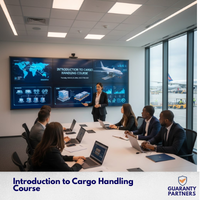
The training methodology integrates lectures, interactive discussions, collaborative group exercises, and illustrative examples. Participants will acquire a blend of theoretical insights and hands-on practical experience, emphasizing the application of learned techniques. This approach ensures that attendees return to their professional environments equipped with both the competence and self-assurance to effectively implement the acquired skills in their responsibilities.