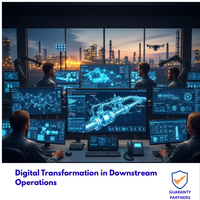
Digital Transformation in Downstream Operations

Course Overview

  • Understand the key drivers and technologies of digital transformation in downstream operations.
  • Explore how digital tools can enhance efficiency, reduce costs, and improve decision-making in the downstream sector.
  • Learn best practices for implementing digital strategies in downstream operations.
  • Analyze the impact of digital transformation on the workforce and organizational culture.

Training Format:In-class, Virtual, In-house

Location:Lagos, Accra, Nairobi, Kigali

Language:English, French

Nigeria Price:
₦360000

Int'l., (Nigeria) Price:
$1000

Ghana Price:
$4000

Kenya Price:
$5500

Rwanda Price:
$6000

Nigeria Price:₦360000

Int'l., (Nigeria) Price:
$1000

Ghana Price:
$4000

Kenya Price:
$4000

Rwanda Price:
$4000

Nigeria Price: ₦360000

Int'l., (Nigeria) Price:
$1000

Ghana Price: $4000

Kenya Price: $4000

Rwanda Price: $4000

Introduction to Digital Transformation in Downstream Operations

  • Definition of digital transformation in the context of downstream operations
  • Key drivers of digital transformation in the oil and gas sector
  • Overview of the downstream value chain and its challenges
  • Technologies enabling digital transformation: IoT, AI, Big Data, and Cloud Computing
  • Case studies of successful digital transformation in downstream operations

Digital Technologies for Operational Efficiency

  • Automation and smart technologies in refining and distribution
  • Use of IoT for real-time monitoring and predictive maintenance
  • AI and machine learning for process optimization
  • Big Data analytics for decision-making and process improvements
  • Digital twin technology in asset management and simulation

Implementing Digital Strategies in Downstream Operations

  • Developing a digital transformation roadmap for downstream operations
  • Identifying and overcoming common challenges in implementation
  • Building a culture of innovation and digital adoption
  • Aligning digital transformation with organizational goals
  • Change management strategies for smooth transitions to digital systems

Impact of Digital Transformation on Workforce and Organizational Culture

  • Skills and competencies required for the digital workforce
  • Reskilling and upskilling employees for new technologies
  • The role of leadership in driving digital transformation
  • Collaboration between technology teams and operational staff
  • Ethical considerations and cybersecurity in digital transformation

1ST BATCH: Tuesday, February 17, 2026 — Friday, February 20, 2026.

2ND BATCH: Tuesday, June 9, 2026 — Friday, June 12, 2026.

3RD BATCH: Tuesday, October 6, 2026 — Friday, October 9, 2026.

The training methodology integrates lectures, interactive discussions, collaborative group exercises, and
illustrative examples. Participants will acquire a blend of theoretical insights and hands-on practical
experience, emphasizing the application of learned techniques. This approach ensures that attendees return
to their professional environments equipped with both the competence and self-assurance to effectively
implement the acquired skills in their responsibilities.

Facebook
WhatsApp
X
Threads
Telegram
Print