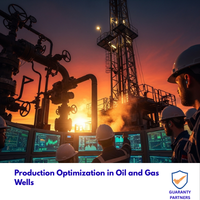
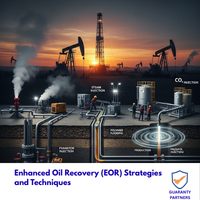
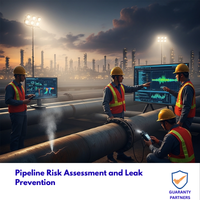
Production Optimization in Oil and Gas Wells

Course Overview

  • Understand the fundamentals of production optimization in oil and gas wells
  • Explore techniques for diagnosing and improving well performance
  • Learn practical strategies for artificial lift systems and reservoir management
  • Apply optimization tools to maximize production efficiency

Training Format:In-class, Virtual, In-house

Location:Lagos, Accra, Nairobi, Kigali

Language:English, French

Nigeria Price:
₦360000

Int'l., (Nigeria) Price:
$1000

Ghana Price:
$4000

Kenya Price:
$5500

Rwanda Price:
$6000

Nigeria Price:₦360000

Int'l., (Nigeria) Price:
$1000

Ghana Price:
$4000

Kenya Price:
$4000

Rwanda Price:
$4000

Nigeria Price: ₦360000

Int'l., (Nigeria) Price:
$1000

Ghana Price: $4000

Kenya Price: $4000

Rwanda Price: $4000

Introduction to Production Optimization

  • Importance of production optimization in oil and gas operations
  • Key production performance indicators (KPIs)
  • Understanding inflow and outflow performance
  • Well production challenges and limitations

Well Performance Diagnosis and Analysis

  • Techniques for well testing and production data analysis
  • Identifying causes of production decline
  • Pressure transient analysis and nodal analysis
  • Evaluating wellbore damage and skin effect

Artificial Lift Systems and Optimization

  • Overview of artificial lift methods (gas lift, ESP, rod pumps, etc.)
  • Selection criteria for artificial lift systems
  • Optimization of artificial lift performance
  • Troubleshooting and improving artificial lift efficiency

Reservoir Management and Optimization Tools

  • Integrated reservoir and production optimization strategies
  • Using real-time monitoring and optimization tools
  • Data-driven approaches and production forecasting
  • Case studies and practical applications

1ST BATCH: Tuesday, January 20, 2026 — Friday, January 23, 2026.

2ND BATCH: Tuesday, May 12, 2026 — Friday, May 15, 2026.

3RD BATCH: Tuesday, September 8, 2026 — Friday, September 11, 2026.

The training methodology integrates lectures, interactive discussions, collaborative group exercises, and
illustrative examples. Participants will acquire a blend of theoretical insights and hands-on practical
experience, emphasizing the application of learned techniques. This approach ensures that attendees return
to their professional environments equipped with both the competence and self-assurance to effectively
implement the acquired skills in their responsibilities.

Facebook
WhatsApp
X
Threads
Telegram
Print