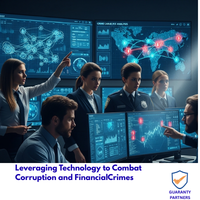
Understanding Corruption and Financial Crimes in the Digital Age
• Types and patterns of corruption and financial crimes
• How digital systems reshape crime methods and detection
• Key vulnerabilities in public and corporate systems
• Global trends and emerging threats
Digital Tools for Transparency and Accountability
• E-governance platforms for reducing human interference
• Digital procurement, e-payments, and automated audit trails
• Open data systems for public financial transparency
• Blockchain for tamper-proof record keeping
Data Analytics for Fraud and Corruption Detection
• Using data mining to identify anomalies and red flags
• Pattern recognition in procurement, payroll, taxation, and financial transactions
• Predictive analytics for high-risk indicators
• Visualization tools for investigative insights
Artificial Intelligence and Machine Learning Applications
• AI-driven fraud detection and behavioral analysis
• Unsupervised models for hidden pattern discovery
• Automating compliance checks and risk scoring
• Case studies of AI used against corruption globally
Cybersecurity and Digital Forensics
• Protecting public financial systems from cyber-enabled crimes
• Detecting identity theft, money laundering, and digital manipulation
• Tools for forensic investigation of digital evidence
• Best practices for chain-of-custody and evidence integrity
Digital Compliance and Monitoring Systems
• Automating due diligence and Know-Your-Customer (KYC) processes
• Real-time monitoring of financial flows and transactions
• Whistleblowing platforms and anonymous reporting technologies
• Integrating compliance tools with institutional workflows
Policy, Legal, and Ethical Considerations
• Regulatory frameworks for technology-enabled governance
• Ensuring fairness, privacy, and accountability in automated systems
• Ethical challenges in AI-driven investigations
• Building trust and public confidence in digital anti-corruption tools