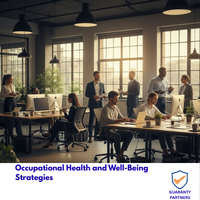
Occupational Health and Well-Being Strategies
Course Overview
• Understand the principles of occupational health, safety, and employee well-being
• Equip managers and HR professionals with tools to create healthy, safe, and supportive workplaces
• Strengthen organizational performance through proactive well-being and risk-prevention strategies
• Foster a culture of wellness, resilience, and continuous improvement
Training Format:In-class, Virtual, In-house
Location:Lagos, Accra, Nairobi, Kigali
Language:English, French
Nigeria Price:
₦3500000
Int'l., (Nigeria) Price:
$1000
Ghana Price:
$4000
Kenya Price:
$5500
Rwanda Price:
$6000
Nigeria Price:₦3500000
Int'l., (Nigeria) Price:
$1000
Ghana Price:
$4000
Kenya Price:
$4000
Rwanda Price:
$4000
Nigeria Price: ₦3500000
Int'l., (Nigeria) Price:
$1000
Ghana Price: $4000
Kenya Price: $4000
Rwanda Price: $4000
Foundations of Occupational Health and Well-Being
• Definition and scope of occupational health and wellness
• Importance of well-being for productivity, morale, and retention
• Key workplace risks: physical, psychosocial, and environmental
• Legal and regulatory requirements for workplace health and safety
Workplace Risk Assessment and Prevention
• Identifying hazards and evaluating workplace risks
• Developing and implementing preventive measures
• Ergonomics and safe workplace design
• Monitoring incidents, near misses, and improvement needs
Employee Well-Being and Mental Health
• Mental health awareness and early-support strategies
• Stress management and burnout prevention
• Work–life balance and flexible work arrangements
• Building resilience and emotional intelligence in teams
Health Promotion and Wellness Programs
• Designing workplace wellness initiatives (nutrition, fitness, mindfulness)
• Encouraging healthy habits and lifestyle improvements
• Creating inclusive well-being programs for diverse employees
• Measuring the impact and ROI of wellness initiatives
Leadership Role in Health and Well-Being
• Managerial responsibilities in promoting a safe and healthy environment
• Leading by example and fostering open communication
• Supporting employees through changes, crises, or high-stress periods
• Encouraging a culture of empathy, respect, and positivity
Building a Sustainable Well-Being Strategy
• Integrating health and well-being into organizational policies
• Continuous improvement through data, feedback, and audits
• Leveraging technology for health monitoring and support
• Future trends in workplace well-being and occupational safety
1ST BATCH: Tuesday, April 21, 2026 — Friday, April 24, 2026.
2ND BATCH: Tuesday, August 4, 2026 — Friday, August 7, 2026.
3RD BATCH: Tuesday, December 1, 2026 — Friday, December 4, 2026.
The training methodology integrates lectures, interactive discussions, collaborative group exercises, and
illustrative examples. Participants will acquire a blend of theoretical insights and hands-on practical
experience, emphasizing the application of learned techniques. This approach ensures that attendees return
to their professional environments equipped with both the competence and self-assurance to effectively
implement the acquired skills in their responsibilities.