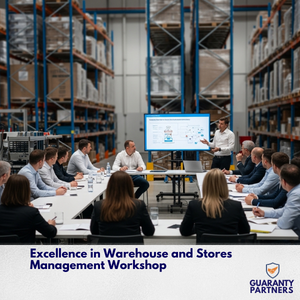
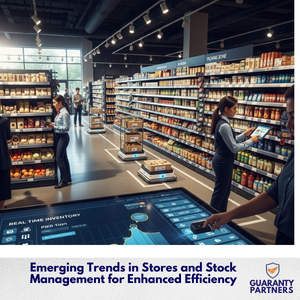
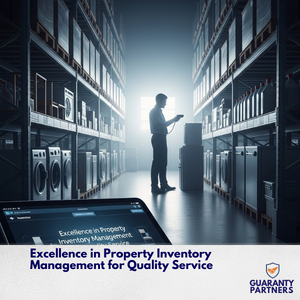
Warehouses and stores management are critical for the effective management of procurement and the supply chain to enable the efficient delivery of superior customer service. Warehouse and inventory controls are often overlooked and are not thought to be an important activity. Therefore, incorrect levels of inventory can be held with attendant knock on effects to cost, availability and customer service.
*The Role of the Warehouse
– Why we need a warehouse
– What functions they cover
– How do they fit into the Supply Chain?
– The balance between sorting and storming
*Inventory and the Supply Chain
– Inventory Management definition
– Type of stock
– Demand replenishment in networks
– Managing the flows
*Security and Loss
– Minimizing internal theft
*Inventory Replenishment Methods and Systems
– Basic mechanics of Inventory System
– Stock Components
– Surplus Replenishment methods
– Requirements Planning Systems
*Stock Control-Coding
– Different coding methods
– Importance of Inventory receipts
– Identifying surplus and obsolescent stock
– Checklists to help on deciding the best option
*Inventory Performance
– Assessing the stock level
– Models for Implementing Inventory Control
– Determining stock targets
– Inventory KPI’s in Warehouse/ Stores
FOR WHOM:
Stores, Purchasing and Logistics Personnel in the Public and Private Sectors.
The training methodology integrates lectures, interactive discussions, collaborative group exercises, and illustrative examples. Participants will acquire a blend of theoretical insights and hands-on practical experience, emphasizing the application of learned techniques. This approach ensures that attendees return to their professional environments equipped with both the competence and self-assurance to effectively implement the acquired skills in their responsibilities.