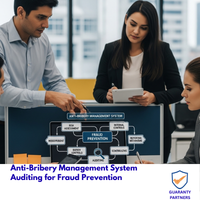
Anti-Bribery Management System Auditing for Fraud Prevention

Course Overview

  • Understand the principles and requirements of ISO 37001 for Anti-Bribery Management Systems.
  • Gain the knowledge and skills necessary to conduct audits of anti-bribery management systems.
  • Learn to identify potential risks, controls, and procedures for fraud prevention.
  • Develop the ability to assess compliance with ISO 37001 and report audit findings.

Training Format:In-class, Virtual, In-house

Location:Lagos, Accra, Nairobi, Kigali

Language:English, French

Nigeria Price:
₦330000

Int'l., (Nigeria) Price:
$1000

Ghana Price:
$4000

Kenya Price:
$5500

Rwanda Price:
$6000

Nigeria Price:₦330000

Int'l., (Nigeria) Price:
$1000

Ghana Price:
$4000

Kenya Price:
$4000

Rwanda Price:
$4000

Nigeria Price: ₦330000

Int'l., (Nigeria) Price:
$1000

Ghana Price: $4000

Kenya Price: $4000

Rwanda Price: $4000

Introduction to ISO 37001 and Anti-Bribery Management Systems

  • Overview of ISO 37001: The purpose, scope, and key clauses of the standard.
  • Anti-Bribery Concept: Definition of bribery, corruption, and their impacts on organizations.
  • Management Systems: Overview of management systems and their role in fraud prevention.
  • Benefits of Implementing ISO 37001: Protection against bribery, legal compliance, reputation management, and organizational integrity.

Key Requirements of ISO 37001 and the Audit Process

  • Leadership and Commitment: Role of senior management in establishing and maintaining an anti-bribery management system.
  • Risk Assessment: Identifying bribery risks, assessing potential threats, and determining mitigation strategies.
  • Controls and Procedures: Key controls such as due diligence, training, financial and non-financial reporting.
  • Audit Planning: Defining audit scope, objectives, and audit criteria. Preparing for an anti-bribery management system audit.

Conducting an Anti-Bribery Audit

  • Audit Methodology: Techniques for conducting an effective audit (e.g., interviews, document reviews, site visits).
  • Assessing Compliance: Evaluating whether anti-bribery policies and procedures meet ISO 37001 requirements.
  • Audit Evidence: Types of evidence to gather (e.g., records, observations, interviews) and methods for evaluating it.
  • Non-conformities and Corrective Actions: Identifying non-compliance, proposing corrective actions, and reporting audit findings.

Reporting, Follow-Up, and Continuous Improvement

  • Audit Reporting: Structure of an audit report, documenting findings, recommendations, and actions.
  • Follow-Up Actions: Monitoring the implementation of corrective actions and their effectiveness.
  • Continuous Improvement: Strategies for maintaining an effective anti-bribery management system, ensuring ongoing compliance with ISO 37001.
  • Case Studies and Best Practices: Real-world examples of successful anti-bribery audits and lessons learned.

1ST BATCH: Monday, March 30, 2026 — Thursday, April 2, 2026.

2ND BATCH: Tuesday, July 21, 2026 — Friday, July 24, 2026.

3RD BATCH: Tuesday, November 17, 2026 — Friday, November 20, 2026.

The training methodology integrates lectures, interactive discussions, collaborative group exercises, and
illustrative examples. Participants will acquire a blend of theoretical insights and hands-on practical
experience, emphasizing the application of learned techniques. This approach ensures that attendees return
to their professional environments equipped with both the competence and self-assurance to effectively
implement the acquired skills in their responsibilities.

Facebook
WhatsApp
X
Threads
Telegram
Print