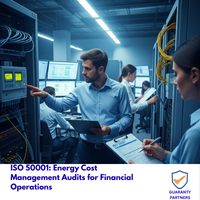
ISO 50001: Energy Cost Management Audits for Financial Operations

Course Overview

  • Understand the ISO 50001 Energy Management Standard and its relevance to energy cost management.
  • Learn to conduct energy audits to assess energy consumption and identify opportunities for cost reduction.
  • Gain insights into the integration of energy management strategies into financial operations.
  • Understand how to develop energy cost reduction plans and implement effective monitoring systems.
  • Analyze energy data and interpret financial implications related to energy use.

Training Format:In-class, Virtual, In-house

Location:Lagos, Accra, Nairobi, Kigali

Language:English, French

Nigeria Price:
₦3300000

Int'l., (Nigeria) Price:
$1000

Ghana Price:
$4000

Kenya Price:
$5500

Rwanda Price:
$6000

Nigeria Price:₦3300000

Int'l., (Nigeria) Price:
$1000

Ghana Price:
$4000

Kenya Price:
$4000

Rwanda Price:
$4000

Nigeria Price: ₦3300000

Int'l., (Nigeria) Price:
$1000

Ghana Price: $4000

Kenya Price: $4000

Rwanda Price: $4000

Introduction to ISO 50001 and Energy Management

  • Overview of ISO 50001: Purpose, structure, and requirements.
  • The importance of energy management in financial operations.
  • Key concepts: Energy performance, energy savings, and energy efficiency.
  • Introduction to energy audits: Definitions and types of audits.
  • Regulatory and compliance aspects related to energy use in organizations.

Conducting Energy Audits

  • Step-by-step guide to performing an energy audit.
  • Tools and techniques used in energy auditing.
  • Identifying energy consumption patterns and inefficiencies.
  • Assessing current energy use against industry standards and benchmarks.
  • Understanding the role of financial data in evaluating energy performance.

Integration of Energy Management into Financial Operations

  • Linking energy management with financial performance.
  • Evaluating the financial impact of energy consumption.
  • Developing cost-saving strategies through energy efficiency improvements.
  • Understanding the return on investment (ROI) for energy-saving initiatives.
  • Budgeting for energy costs: Forecasting and monitoring expenditures.

Developing and Implementing Energy Cost Reduction Plans

  • Setting energy-saving targets and KPIs.
  • Creating an energy management action plan based on audit findings.
  • Identifying key areas for cost reduction and efficiency gains.
  • Monitoring energy performance and cost savings over time.
  • Reporting and communicating results to stakeholders.
  • Ensuring continuous improvement and aligning energy management with financial objectives.

1ST BATCH: Tuesday, April 28, 2026 — Friday, May 1, 2026.

2ND BATCH: Tuesday, August 18, 2026 — Friday, August 21, 2026.

3RD BATCH: Tuesday, December 15, 2026 — Friday, December 18, 2026.

The training methodology integrates lectures, interactive discussions, collaborative group exercises, and
illustrative examples. Participants will acquire a blend of theoretical insights and hands-on practical
experience, emphasizing the application of learned techniques. This approach ensures that attendees return
to their professional environments equipped with both the competence and self-assurance to effectively
implement the acquired skills in their responsibilities.

Facebook
WhatsApp
X
Threads
Telegram
Print