
LEADERSHIP, MANAGEMENT AND ENTREPRENEURSHIP IN THE 21ST CENTURY
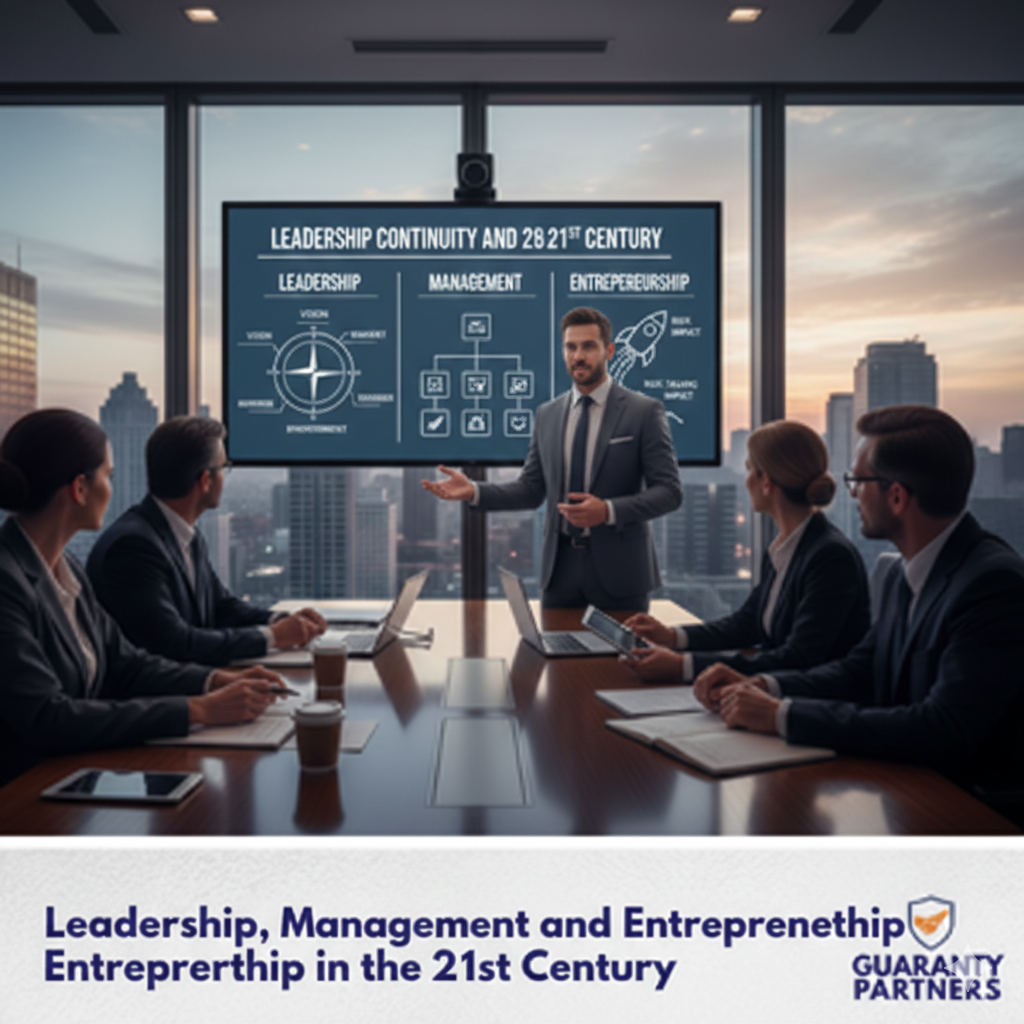
Course Overview
• Understand the key principles and practices of effective leadership in the modern business environment
• Develop essential management skills for planning, organizing, leading, and controlling organizational resources
• Explore the mindset and strategies required for successful entrepreneurship in the 21st century
• Learn how to navigate the challenges and opportunities presented by the rapidly changing business landscape
• Gain insights into the role of innovation, creativity, and adaptability in driving business success
Training Format:In-class, Virtual, In-house
Location:Lagos, Accra, Nairobi, Kigali
Language:English, French
Nigeria Price:
₦300000
Int'l., (Nigeria) Price:
$1000
Ghana Price:
$4000
Kenya Price:
$5500
Rwanda Price:
$6000
Nigeria Price:₦300000
Int'l., (Nigeria) Price:
$1000
Ghana Price:
$4000
Kenya Price:
$4000
Rwanda Price:
$4000
Nigeria Price: ₦300000
Int'l., (Nigeria) Price:
$1000
Ghana Price: $4000
Kenya Price: $4000
Rwanda Price: $4000
Introduction to Leadership, Management, and Entrepreneurship
• The evolving business landscape in the 21st century
• The importance of leadership, management, and entrepreneurship in driving organizational success
Leadership Principles and Practices
• Defining leadership and its role in organizational success
• Characteristics of effective leaders
• Leadership styles and their application in different contexts
• Developing leadership skills and competencies
Management Fundamentals
• Planning and decision-making
• Organizing and structuring the organization
• Staffing and human resource management
• Directing and leading teams
• Controlling and monitoring performance
Entrepreneurial Mindset and Strategies
• Understanding entrepreneurship and its importance in the 21st century
• Characteristics of successful entrepreneurs
• Identifying and evaluating business opportunities
• Developing a business plan and securing resources
• Managing growth and scaling the business
Innovation and Creativity
• The role of innovation in driving business success
• Fostering a culture of innovation and creativity
• Techniques for generating and evaluating ideas
• Implementing innovative solutions and managing change
Adaptability and Resilience
• Understanding the importance of adaptability in a rapidly changing business environment
• Developing strategies for anticipating and responding to change
• Building organizational resilience and agility
• Overcoming challenges and setbacks
Ethical Leadership and Social Responsibility
• The importance of ethical leadership in the 21st century
• Corporate social responsibility and sustainability
• Balancing business objectives with social and environmental considerations
• Developing a culture of integrity and accountability
Global Perspectives and Cross-Cultural Management
• Understanding the impact of globalization on business
• Navigating cultural differences and adapting leadership and management practices
• Leveraging diversity and inclusion for competitive advantage
• Developing a global mindset and cross-cultural competencies
Personal Development and Lifelong Learning
• The importance of continuous learning and personal growth
• Developing a growth mindset and embracing challenges
• Strategies for effective time management and work-life balance
• Building a professional network and seeking mentorship
Capstone Project: Applying Leadership, Management, and Entrepreneurship Skills
• Integrating the concepts learned throughout the course
• Developing a comprehensive plan for applying leadership, management, and entrepreneurship skills in a real-world context
• Presenting and defending the capstone project
1ST BATCH: Tuesday, February 24, 2026 — Friday, February 27, 2026.
2ND BATCH: Tuesday, June 23, 2026 — Friday, June 26, 2026.
3RD BATCH: Tuesday, October 20, 2026 — Friday, October 23, 2026.
The training methodology integrates lectures, interactive discussions, collaborative group exercises, and
illustrative examples. Participants will acquire a blend of theoretical insights and hands-on practical
experience, emphasizing the application of learned techniques. This approach ensures that attendees return
to their professional environments equipped with both the competence and self-assurance to effectively
implement the acquired skills in their responsibilities.