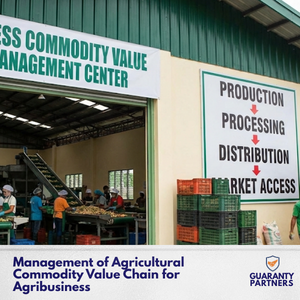
Introduction to Rural Cooperatives and Poverty Alleviation
• Definition and concept of rural cooperatives.
• The role of cooperatives in community development and poverty reduction.
• Key characteristics of successful rural cooperatives.
• Overview of global and local examples of cooperative success in poverty alleviation.
• Importance of member participation and ownership in cooperative models.
Organizing Rural Cooperatives
• Steps in forming a rural cooperative.
• Legal frameworks and regulations governing cooperatives.
• Identifying and mobilizing cooperative members.
• Roles and responsibilities of cooperative leaders and members.
• Developing a cooperative constitution and bylaws.
• Strategies for initial funding and resource mobilization.
Management Strategies for Rural Cooperatives
• Principles of cooperative management: transparency, accountability, and democracy.
• Setting clear objectives and goals for the cooperative.
• Financial management and record-keeping.
• Human resource management within cooperatives.
• Building capacity and skills among cooperative members.
• Leadership development and succession planning.
Challenges and Sustainability of Rural Cooperatives
• Common challenges faced by rural cooperatives (e.g., financial instability, lack of skilled management).
• Strategies for overcoming these challenges.
• The importance of networking and partnerships with other cooperatives, government agencies, and NGOs.
• Monitoring and evaluating the performance of rural cooperatives.
• Ensuring long-term sustainability through effective governance and financial practices.