
Poultry Farming for Food Security and Poverty Eradication
Course Overview
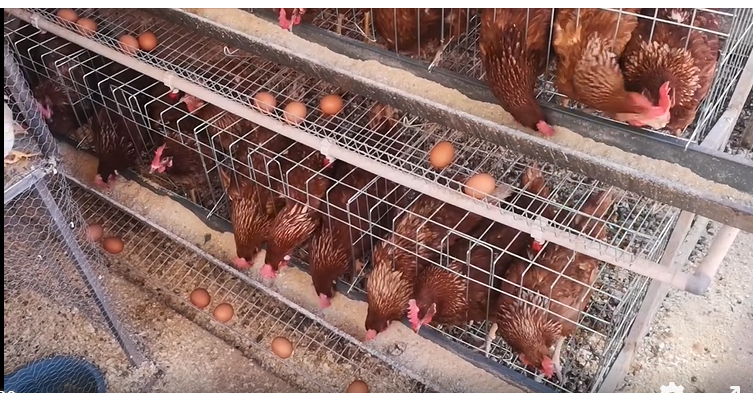
Understand the role of poultry farming in enhancing food security and reducing poverty.
Learn modern poultry production techniques, management practices, and nutrition strategies.
Explore the economics of poultry farming, market opportunities, and value chain development.
Gain practical knowledge to establish sustainable and profitable poultry enterprises that contribute to community developmen
Training Format:In-class, Virtual, In-house
Location:Lagos, Accra, Nairobi, Kigali
Language:English, French
Nigeria Price:
₦350000
Int'l., (Nigeria) Price:
$10000
Ghana Price:
$40000
Kenya Price:
$5500
Rwanda Price:
$6000
Nigeria Price:₦350000
Int'l., (Nigeria) Price:
$10000
Ghana Price:
$40000
Kenya Price:
$40000
Rwanda Price:
$40000
Nigeria Price: ₦350000
Int'l., (Nigeria) Price:
$10000
Ghana Price: $40000
Kenya Price: $40000
Rwanda Price: $40000
Introduction to Poultry Farming
Overview of Poultry Production: Types of poultry (broilers, layers, indigenous birds).
Role in Food Security and Poverty Eradication: Ensuring protein supply and income generation.
Key Stakeholders: Farmers, extension officers, cooperatives, and policymakers.
Poultry Breeds and Selection
Commercial vs. Indigenous Breeds: Characteristics, performance, and suitability.
Breed Selection Criteria: Productivity, disease resistance, and market demand.
Parent Stock Management: Reproduction and hatchery considerations.
Nutrition and Feed Management
Feed Types and Nutritional Requirements: Protein, energy, vitamins, and minerals.
Feed Formulation Techniques: Balancing cost and nutritional needs.
Feeding Programs: Age-specific feeding strategies and water management.
Housing and Environmental Management
Designing Poultry Housing: Ventilation, lighting, space allocation, and biosecurity.
Environmental Control: Temperature, humidity, and waste management.
Sanitation and Disease Prevention: Hygiene practices to reduce mortality and enhance productivity.
Health Management and Disease Control
Common Poultry Diseases: Symptoms, prevention, and control measures.
Vaccination and Medication: Immunization programs and therapeutic practices.
Biosecurity Protocols: Preventing disease introduction and spread.
Production Management and Record Keeping
Egg and Meat Production: Management of layers and broilers for optimal output.
Reproductive Management: Breeding, hatching, and chick rearing.
Record Keeping: Tracking performance, feed consumption, mortality, and profitability.
Economics, Marketing, and Value Chain Development
Cost Analysis and Profitability: Investment, operational costs, and break-even analysis.
Market Opportunities: Poultry products, value addition, and distribution channels.
Community Impact: Contribution to food security, employment, and poverty reduction
1ST BATCH: Tuesday, February 10, 2026 — Friday, March 13, 2026.
2ND BATCH: Tuesday, June 2, 2026 — Friday, June 5, 2026.
3RD BATCH: Monday, September 28, 2026 — Wednesday, September 30, 2026.
The training methodology integrates lectures, interactive discussions, collaborative group exercises, and
illustrative examples. Participants will acquire a blend of theoretical insights and hands-on practical
experience, emphasizing the application of learned techniques. This approach ensures that attendees return
to their professional environments equipped with both the competence and self-assurance to effectively
implement the acquired skills in their responsibilities.