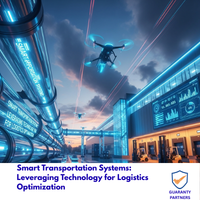
Smart Transportation Systems: Leveraging Technology for Logistics Optimization
Course Overview
- Understand the principles and components of smart transportation systems.
- Explore technological advancements driving logistics optimization.
- Learn strategies for implementing smart transportation in logistics.
- Enhance skills in analyzing and improving logistics efficiency using technology.
Training Format:In-class, Virtual, In-house
Location:Lagos, Accra, Nairobi, Kigali
Language:English, French
Nigeria Price:
₦3500000
Int'l., (Nigeria) Price:
$1000
Ghana Price:
$4000
Kenya Price:
$5500
Rwanda Price:
$6000
Nigeria Price:₦3500000
Int'l., (Nigeria) Price:
$1000
Ghana Price:
$4000
Kenya Price:
$4000
Rwanda Price:
$4000
Nigeria Price: ₦3500000
Int'l., (Nigeria) Price:
$1000
Ghana Price: $4000
Kenya Price: $4000
Rwanda Price: $4000
Introduction to Smart Transportation Systems
- Overview of smart transportation and its importance in logistics
- Components of smart transportation systems
- Role of IoT, AI, and big data in transportation optimization
- Current trends and innovations in smart logistics
Technological Advancements in Logistics
- GPS and real-time tracking systems
- Autonomous vehicles and drones in logistics
- Smart warehouses and automated storage systems
- Blockchain for secure and transparent supply chains
Strategies for Implementation
- Integration of smart transportation with existing systems
- Data management and interoperability challenges
- Risk assessment and mitigation in smart logistics projects
- Case studies of successful implementations
Analyzing and Improving Logistics Efficiency
- Tools for monitoring and analyzing logistics performance
- Reducing costs and improving delivery times with technology
- Sustainable practices in smart transportation systems
- Future trends in smart logistics and transportation
1ST BATCH: Tuesday, February 24, 2026 — Friday, February 27, 2026.
2ND BATCH: Tuesday, June 23, 2026 — Friday, June 26, 2026.
3RD BATCH: Tuesday, October 20, 2026 — Friday, October 23, 2026.
The training methodology integrates lectures, interactive discussions, collaborative group exercises, and
illustrative examples. Participants will acquire a blend of theoretical insights and hands-on practical
experience, emphasizing the application of learned techniques. This approach ensures that attendees return
to their professional environments equipped with both the competence and self-assurance to effectively
implement the acquired skills in their responsibilities.