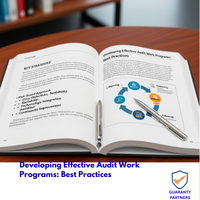
Developing an audit program can be an accounting process, especially when the audit area is one the auditor is unfamiliar with or that has not previously been audited. This workshop will take the mystery and pain out of the process by introducing a methodology called closing the Loop framework. It provides a foundation for how to develop audit steps based on audit scope and the evidence required to audit objective.
* Setting the stage-Role of Audit and Audit Evidence
– Defining Audit Evidence
– Requirements from Auditing Standards
– Audit Charter
– Compliance
– Audit Work Plan and Audit Checklist
* Developing Audit Objective
– Linking Audit Objectives to Operational and
Control Objectives
– Developing Steps that Add Value
– Proactive not Reactive
– Risk-based Auditing into Audit Strategies
* Building the Audit Steps-Starting from Scratch
– I.S. Auditing
– Audit Programs
– Developing Audit Results
– Quality Assurance
– Good Practices for Audit Steps or Procedures
– Techniques for Evaluating and Modifying
– Internal Control Questionnaires
FOR WHOM:
All Internal Auditors in both the Public and Private Sectors.
The training methodology integrates lectures, interactive discussions, collaborative group exercises, and illustrative examples. Participants will acquire a blend of theoretical insights and hands-on practical experience, emphasizing the application of learned techniques. This approach ensures that attendees return to their professional environments equipped with both the competence and self-assurance to effectively implement the acquired skills in their responsibilities.