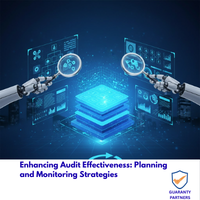
Introduction to Audit Planning and Monitoring
• Importance of audit planning and monitoring in ensuring audit effectiveness
• Overview of the audit planning process and its key components
• Understanding the role of audit objectives, scope, and criteria in planning
Developing Comprehensive Audit Plans
• Identifying and prioritizing audit objectives based on organizational goals and risks
• Establishing audit scope, criteria, and methodology for effective planning
• Allocating resources and defining responsibilities within the audit team
Risk Assessment and Identification Techniques
• Techniques for conducting risk assessments and identifying potential audit risks
• Utilizing risk matrices and other tools to assess the likelihood and impact of identified risks
• Incorporating risk considerations into the audit planning process
Effective Audit Monitoring Strategies
• Setting clear audit milestones, timelines, and performance indicators
• Monitoring audit progress and addressing deviations from the planned schedule
• Implementing corrective actions and adjustments as necessary to ensure audit objectives are met
Stakeholder Communication and Coordination
• Establishing effective communication channels with audit stakeholders
• Providing regular updates on audit progress, findings, and recommendations
• Addressing stakeholder feedback and incorporating input into the audit process
Post-Audit Review and Evaluation
• Conducting post-audit reviews to assess audit effectiveness and identify areas for improvement
• Analyzing audit findings and recommendations for organizational impact
• Documenting lessons learned and best practices for future audit planning and monitoring
FOR WHOM:
All Internal Auditors in the Public and Private Sectors.