Introduction to Performance Metrics in the Public Sector
• Defining key performance indicators (KPIs) for public services
• Aligning metrics with organizational objectives and citizen outcomes
• Types of metrics: efficiency, effectiveness, quality, and compliance
• Challenges in measuring public sector performance
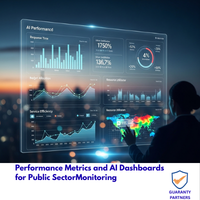
AI Dashboards and Monitoring Tools
• Overview of AI-powered dashboards and analytics platforms
• Benefits of real-time data visualization and predictive insights
• Integrating multiple data sources for comprehensive monitoring
• Case studies of AI dashboard implementation in public agencies
Designing Effective Metrics and Dashboards
• Selecting relevant KPIs for different departments and programs
• Data collection, validation, and preprocessing for accuracy
• Visualizing data for clarity, decision-making, and stakeholder engagement
• Customizing dashboards for leadership, operational teams, and the public
Data-Driven Decision Making
• Interpreting AI-generated insights to guide policy and operational decisions
• Predictive analytics for resource allocation and risk management
• Scenario planning and trend analysis using dashboard data
• Using metrics to identify gaps, inefficiencies, and improvement opportunities
Governance, Ethics, and Accountability
• Ensuring data integrity, privacy, and security in public monitoring systems
• Ethical considerations in AI-driven performance evaluation
• Transparency and accountability in reporting metrics to stakeholders
• Establishing governance frameworks for responsible AI use
Continuous Improvement and Future Trends
• Monitoring and refining KPIs over time
• Leveraging AI for adaptive and proactive management
• Preparing for emerging technologies in public sector analytics
• Building a culture of continuous learning and evidence-based governance